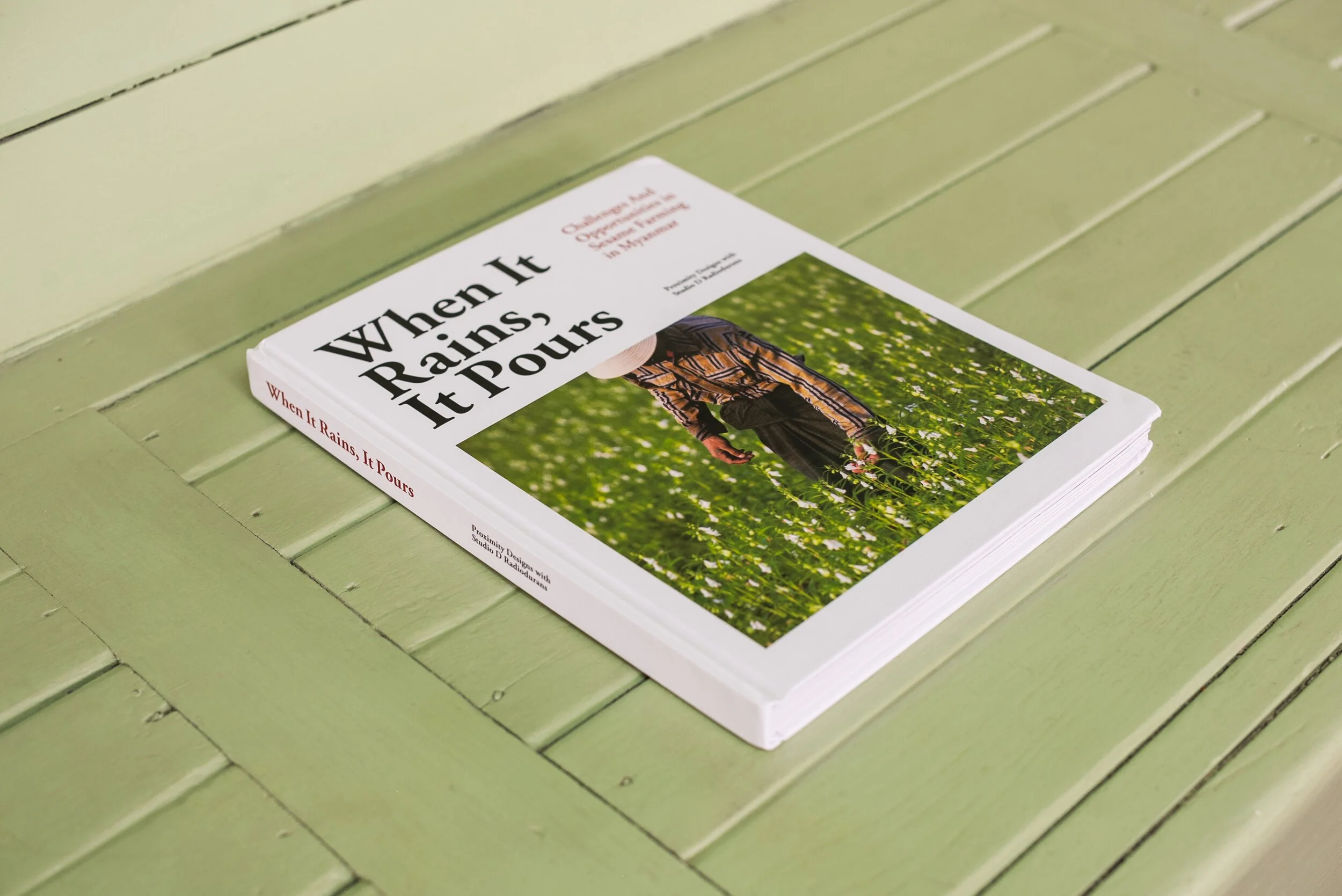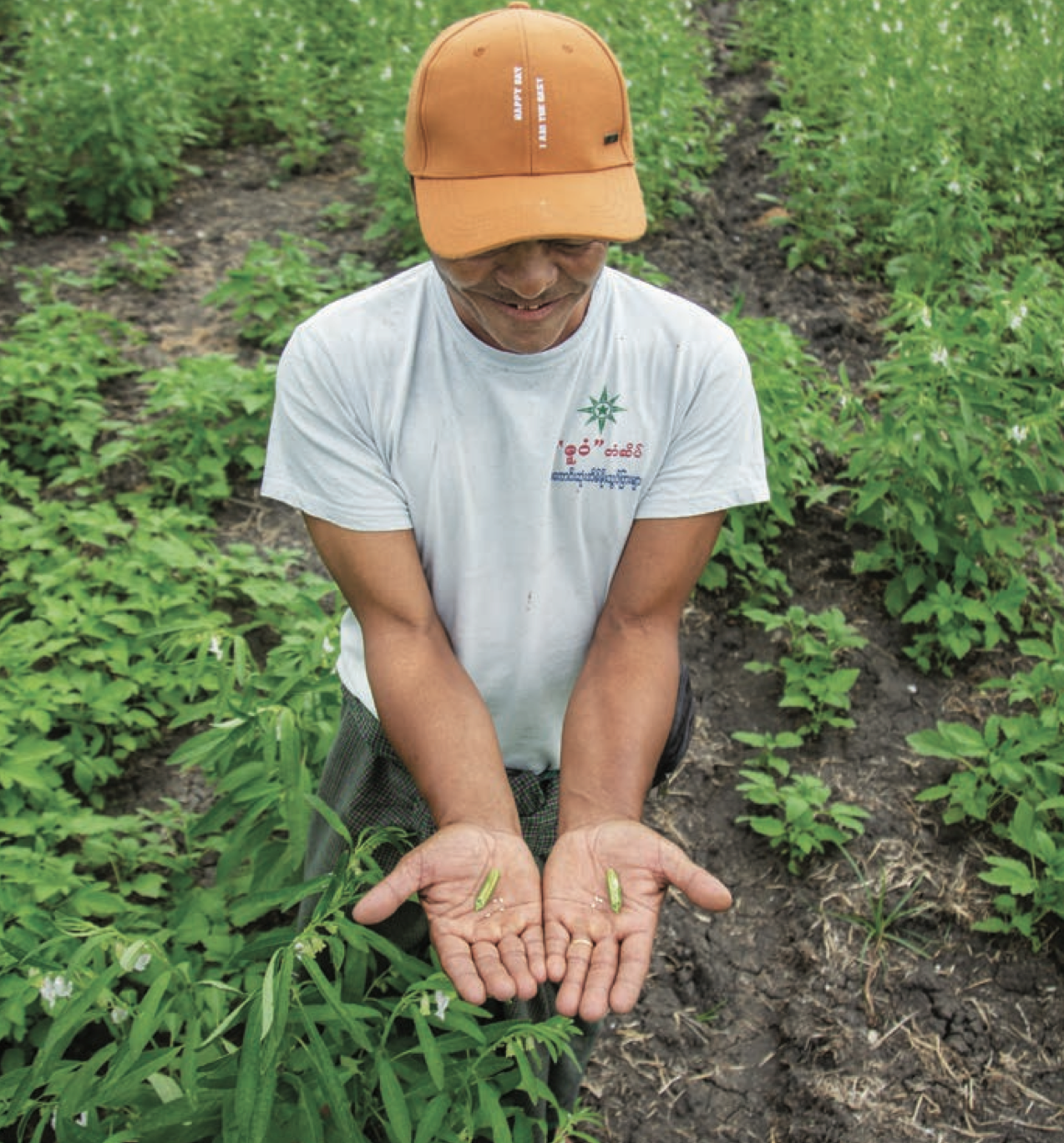
When It Rains It Pours
A 2-months expedition of deep dive study on Myanmar sesame farming ecosystem. A collaboration between Proximity Designs and Studio D.
Goal
To understand the sesame farming ecosystem of Myanmar, by exploring the rural context, the farming methods, the journey of the trade, and the consumption.
Method
Ethnographic interviews, ad-hoc adventures, desk research, and surveys.
The team
Studio D: Jan Chipchase, Sarah Fathallah, Jooyoung Oh
Proximity Designs: Grace Su Lei Naing, Hsu Mon Htet, Khin Nway Nway Hlaing, Nay Chie Moe Thet, Nilar Htwe, Theint Tharaphy
Duration
2 Months
Who we interviewed
34 Farmers
20 Distribution value chain actors(including brokers, traders,exporters)
11 Refinement value chain actors(including millers, and brittle andtahini processors)
9 Labour and machinery actors
5 Input vendors(including seed, fertiliser, andpesticide vendors)
3 Financing actors
26 Other(including agricultural NGOs, government representatives)
108 Participants total
Where we went
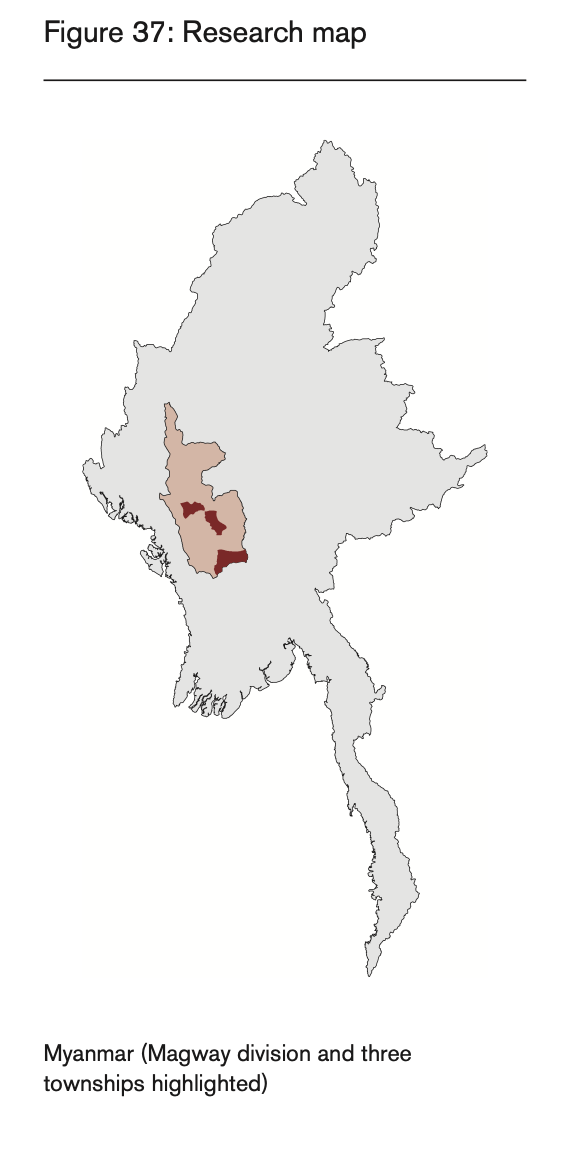
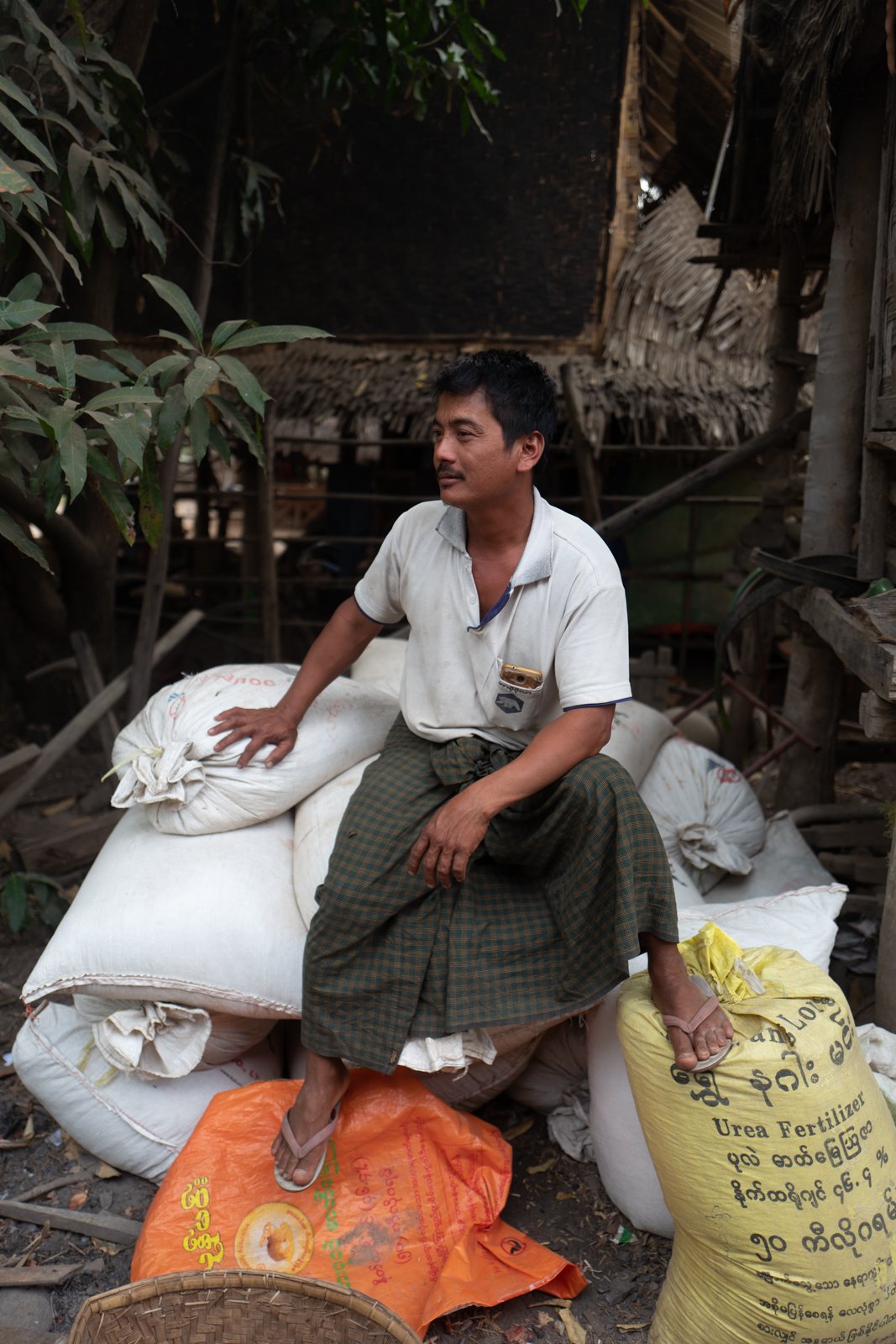
Myanmar Dry Zone where sesame is cultivated. We also went to Mandalay Commondity Exchange Center to meet the market players of sesame trading.
The Expedition
For two months sesame consumed us
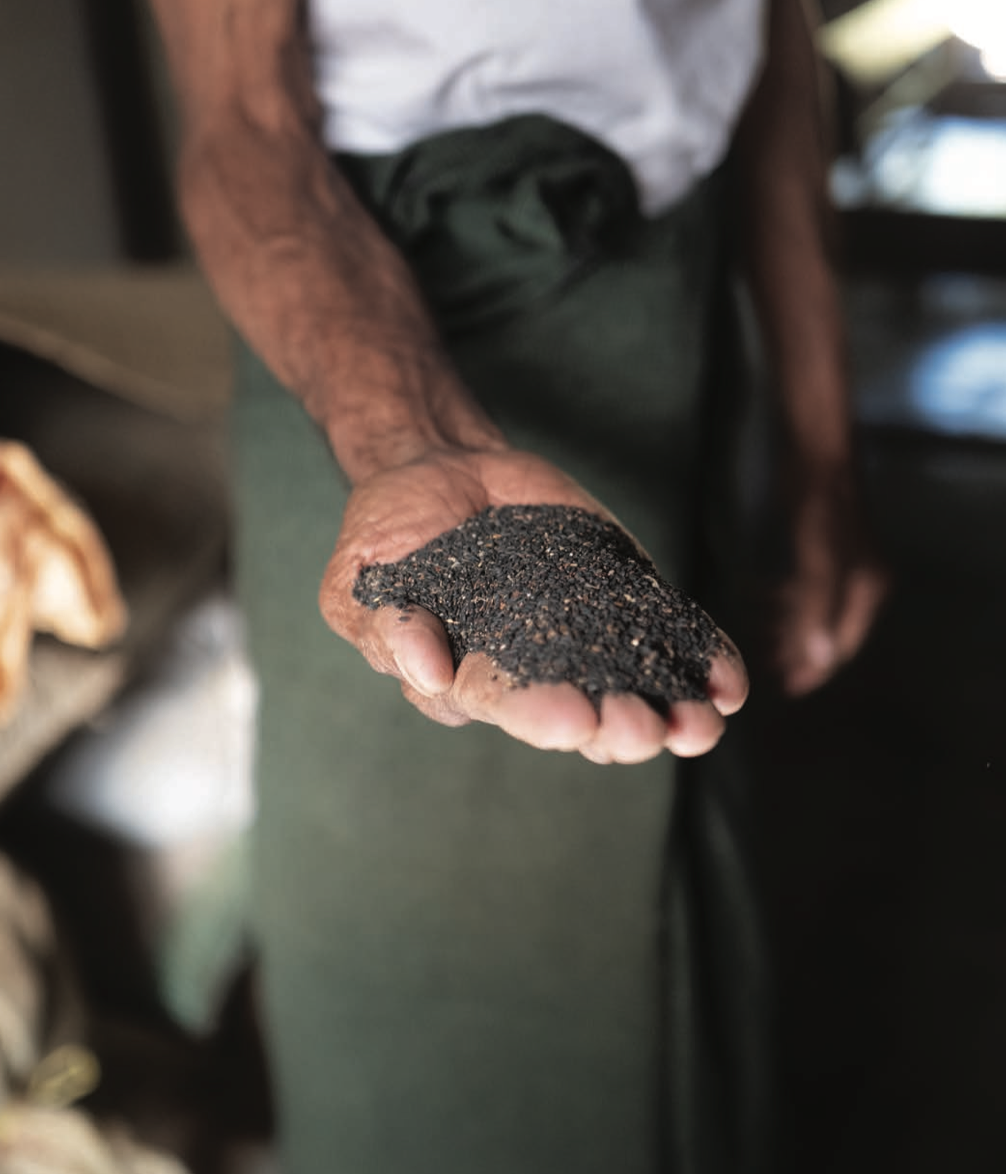
In 2019, the word “sesame”, had a whole different meaning to me. It was no longer the thing that gets sprinkled when I order noodles. It became so much more than that. It became a subject I had to learn about as a crop. I had to become a sesame expert.
As a collaboration between Proximity Designs and Studio D, we embarked on an expedition to study the sesame farming ecosystem of Myanmar and publish a book report.
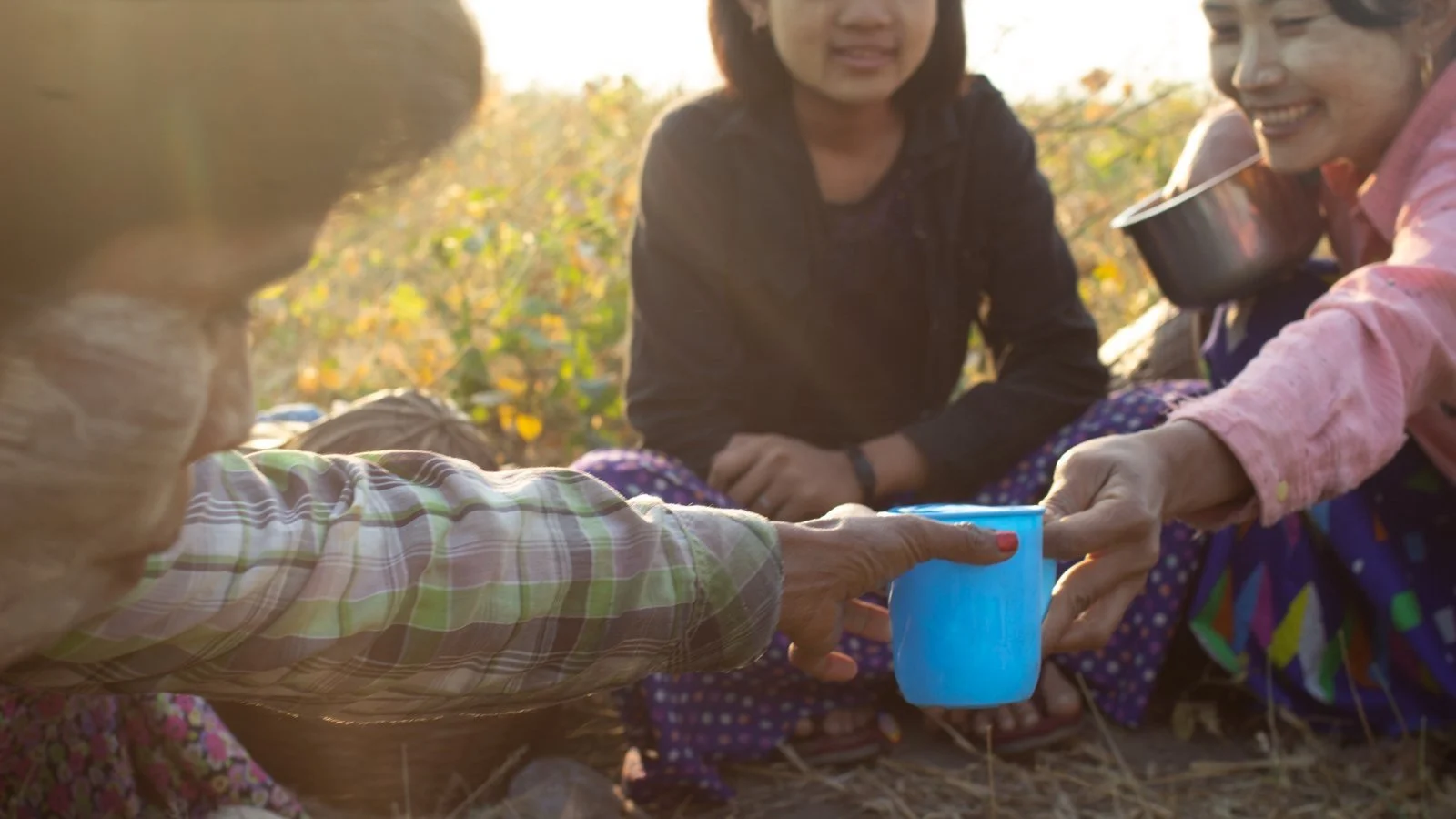
Our goal was to learn about sesame as a crop and commodity and to find ways to support farmers as an organization. Our journey took us from cities to rural villages. We interviewed farmers, laborers, millers, brokers, and even a monk. We went into the field to interview our participants as teams of 3. One as the interviewer, one as the notetaker, and one as the photographer. At times, some of us had to wear 2 hats being bilingual in Burmese and English, we had to multitask by translating and interviewing.
After the interviews, we would drive back to our accommodations to expand on our notes. Then we synthesized and shared the findings with the rest of the team.
In the beginning, we would take some time to rest and shower first, but as the days passed, we all became infatuated with turning the notes into hard data.
Despite being covered in sweat and dust, we eagerly recorded and digitized our learnings while they were still fresh in our minds.
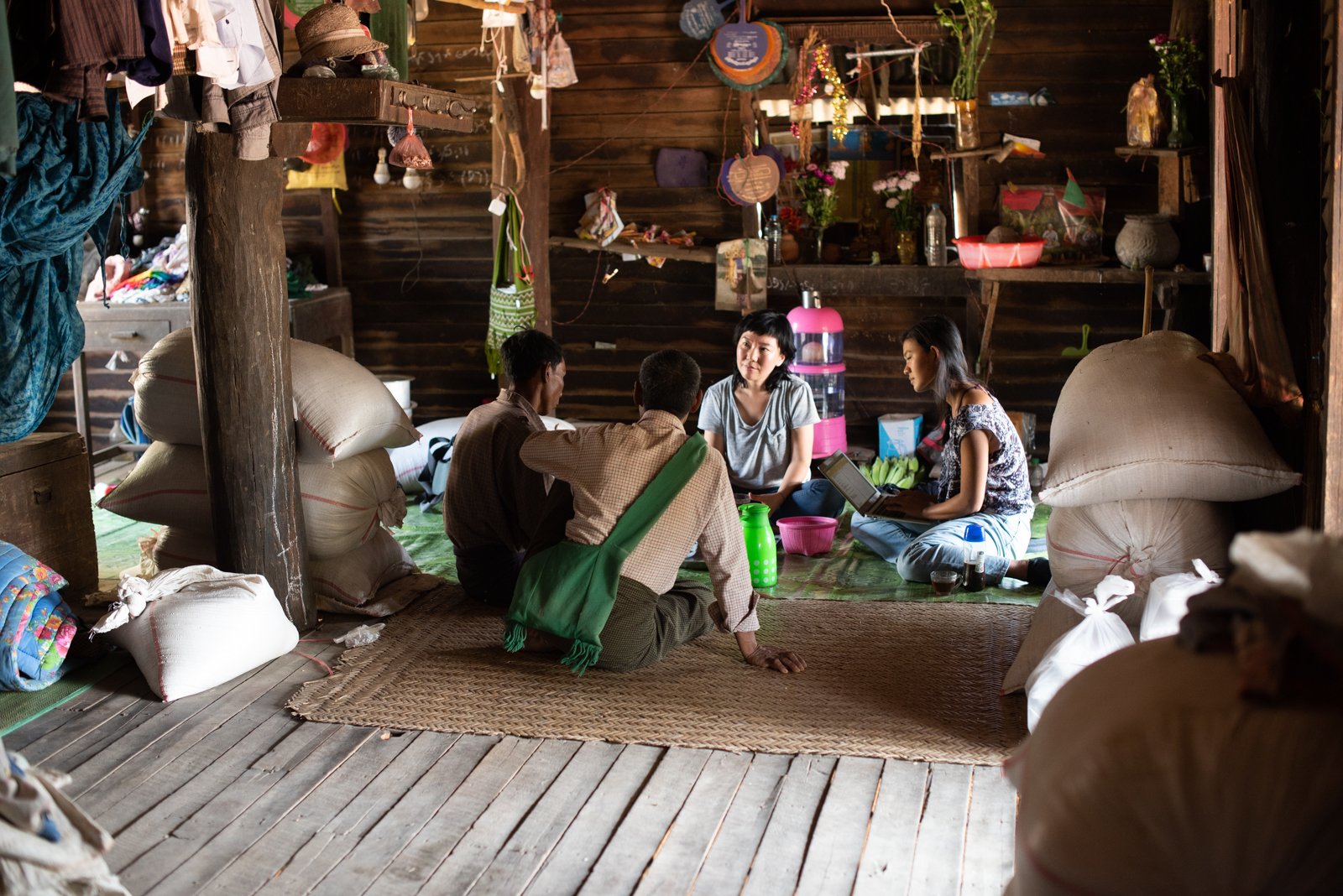
Putting it all together, ending the journey ritualistically
Being a researcher, talking to people is my happy place but it is the analyzing part that gives me the thrill. Organization of data is as satisfying as finishing a jigsaw puzzle.
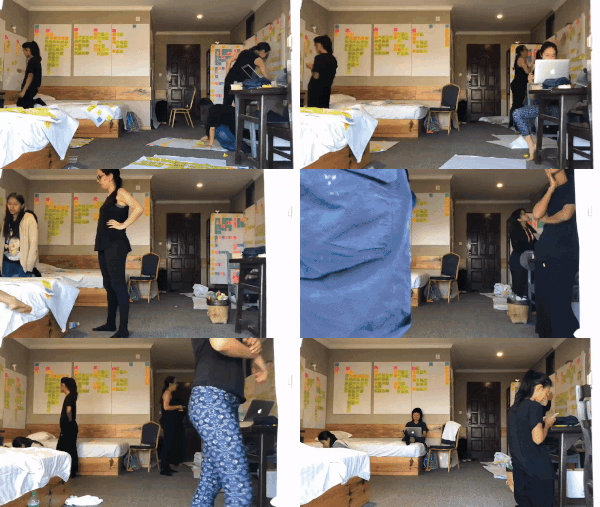
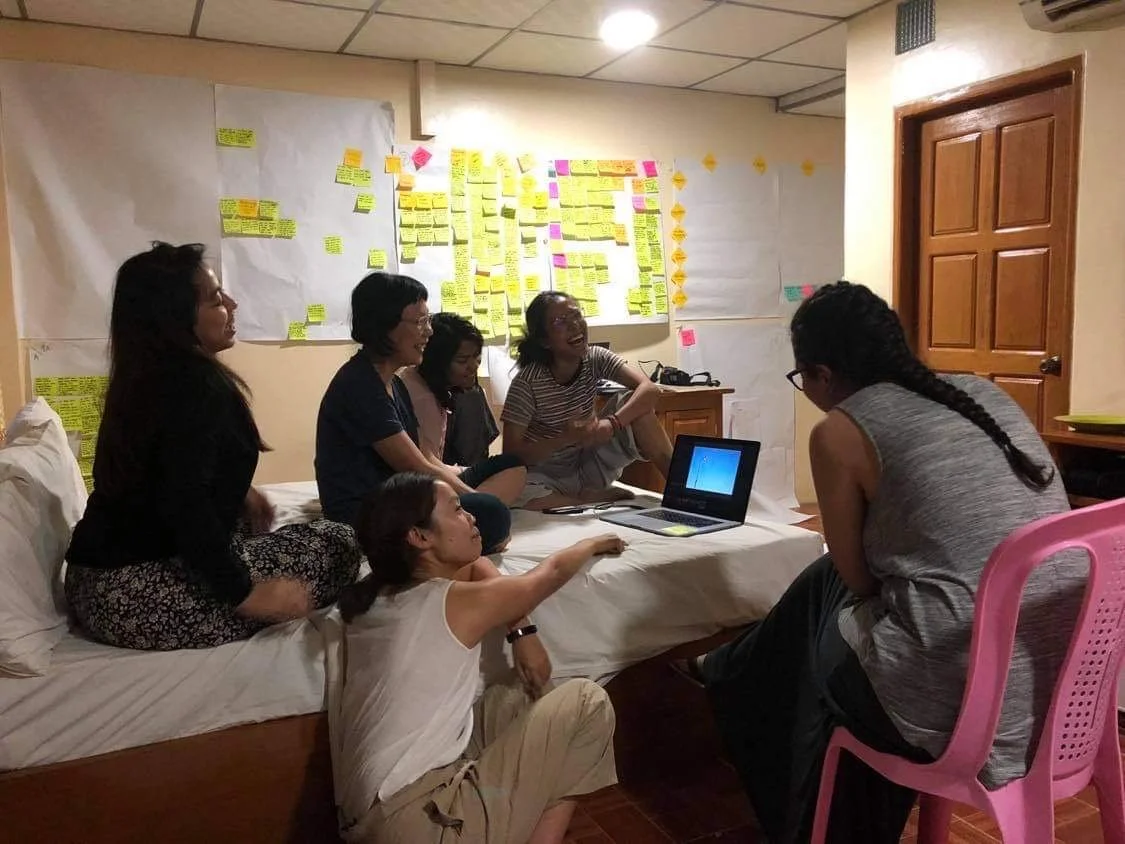
On the last week of our expedition, we retreated into our pop-up studio for the next phase: writing the book. We started a new ritual of data analysis to make sense of the stories we gathered.
Our data walls of post-its got shuffled, reorganized, and reshuffled until it starts to flow like a story.
Those post-it notes walls became the chapters of the book. We started writing from morning to night, taking down one poster and one chapter at a time.
Once our notes has transformed into stories, we celebrated in a primitively by burning them in the fire-pit. With beer and wine coolers in our hands, we stood around the bonfire to say farewell our handwritten notes as they burn. The notes that traveled with us for a month and meant to world to us are now ashes flying in the cool night air.
The journey has ended…tomorrow we will be going back home to share the stories.
Sharing the stories and brewing ideas with the teams
After completing our fieldwork, we brought our extensive findings back to the Proximity Designs main office in Yangon. We wanted to share our insights with the stakeholders, including the CEO, and explore opportunities for designing a farmer-centered product that could support the sesame farmers we interviewed.
We organized presentations to showcase our findings and our experiences on the field. The following day, we facilitated a week-long workshop with the key stakeholders, designers & team leads to brainstorm ideas for supporting sesame farmers. We utilized our research insights as a resource to design innovative solutions that could positively impact the sesame farming ecosystem.
Our workshop attracted interest even from external sources. We were thrilled to welcome two product designers from Google who visited us and participated in the ideation process.
Our collaboration and brainstorming led to 15 different opportunities to help improve the livelihoods of sesame farmers.
These opportunities ranged from developing new technology for farmers to improving market access and supply chain infrastructure.
We were excited about the possibilities and the impact we could create in the sesame farming ecosystem.
Unforgettable learning and experience
Having the first-hand experience as a researcher on a project of this magnitude, particularly with a prominent design firm like Studio D, has afforded me invaluable insights as both a researcher and designer. Here are some of the insights :
1) Endurance and grit is a critical soft skill for difficult days.
We were exhausted by the end of the trip. The sun was hot, the car rides were bumpy, and some times the coffee was not strong enough. Yet, we were in it to win it. We supported one another during hard days, and took breaks as needed.
2) Organization data that makes sense.
The level of how we structured the data was impeccable. Every stage of the data transition into the next consistently. Methods of data recording to analyzing were extremely valuable and supported us as we worked on the book.
3) High-level coordination to deliver a high-caliber research
I’m enormously inspired by the strategy Studio D practiced throughout the project. The planning, the culture, the team pow-wows, and the tools we use were all thoughtful, meaningful, and mostly drove us to delivering successful research.
All photos credit to the Sesame Team and photographer Maung Nyan